About
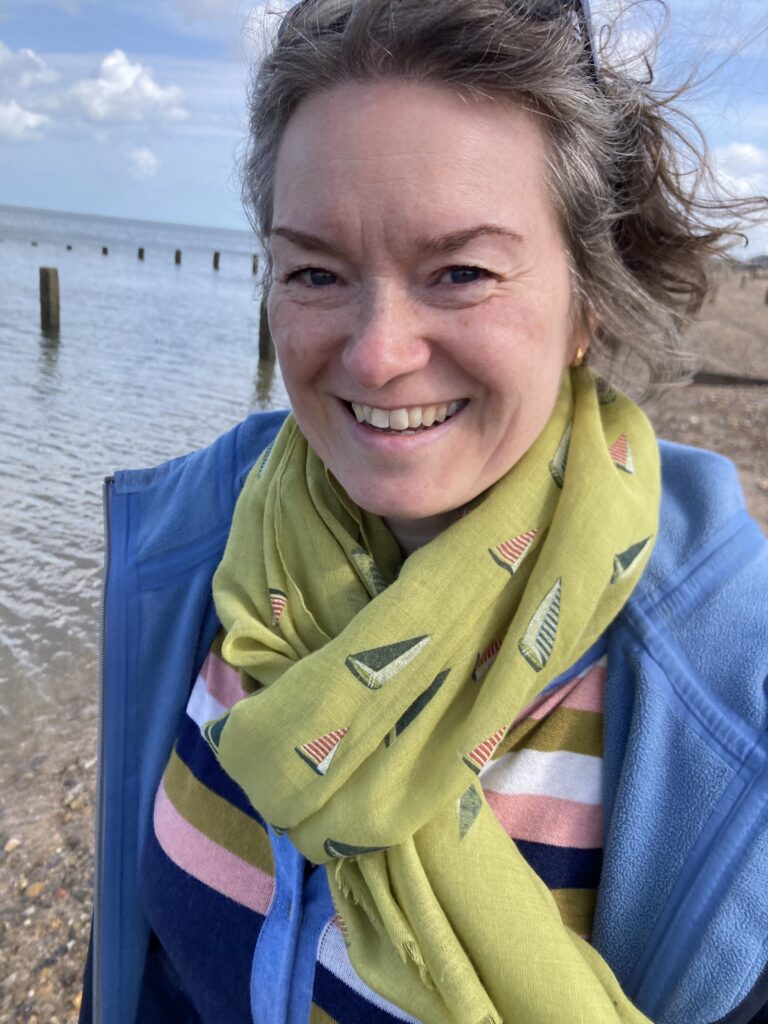
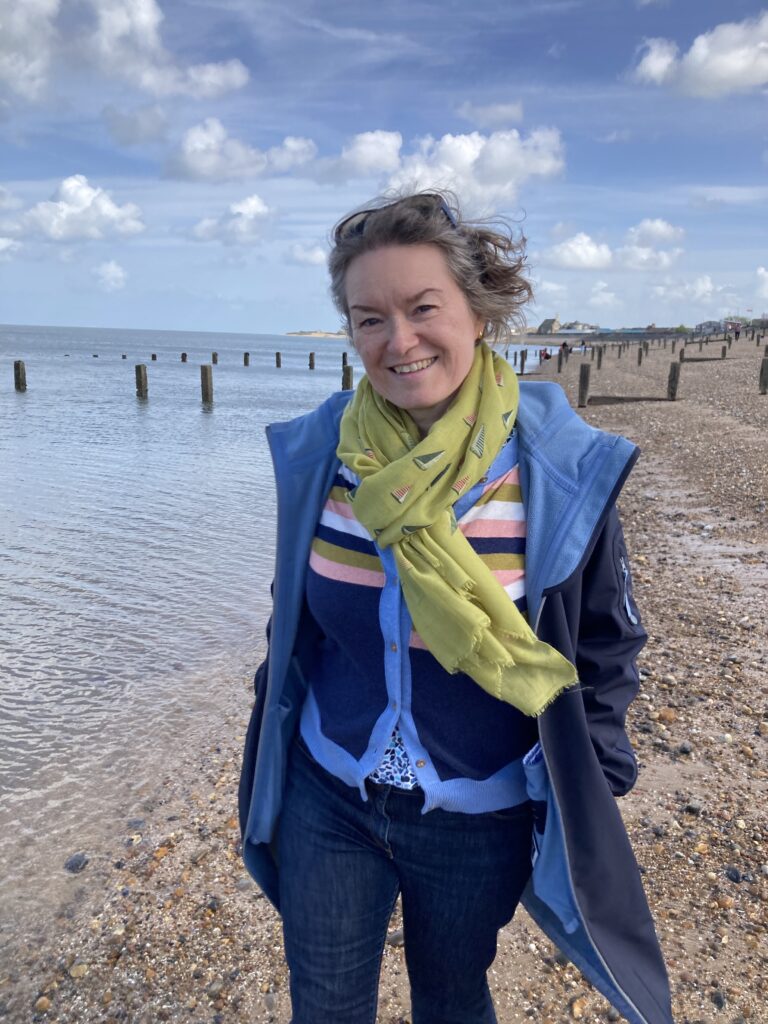
Hi, I’m Jana Toon.
I’m a neurodiversity coach based in Berkhamsted, UK, and I work with ADHD, autistic, and other neurodivergent professionals in corporate roles who are struggling to stay consistent and meet expectations at work. Most experience frequent overwhelm or recurrent burnout cycles.
Many of my clients are in midlife and have just discovered the reason that work has always seemed harder for them, either because they’ve recently had a diagnosis or because they’ve become aware of their own neurodivergence.
They are intelligent and very capable at work, yet they struggle to sustain their performance in environments that weren’t designed with their brain in mind.
For some, meeting expectations at work has become a worry and a challenge. For others, things may even look fine from the outside. But internally, work feels exhausting to maintain for all of them and overwhelm is a constant reality.
My workplace support in coaching and training exist to address this.
A different approach to workplace performance
Most workplace and productivity advice assumes stable focus and predictable energy and doesn’t adjust for challenges with executive functioning.
But my ADHD, autistic and other neurodivergent clients often experience work very differently. So when systems are not designed for them, they mask to keep up and then enter a cycle of overwhelm, burnout, recovery, catch-up, repeat.
Excel As Yourself is built around a different idea:
You should not have to burn yourself out to perform well at work.
Instead of focusing on pushing harder, I help neurodivergent professionals build ways of working that are sustainable, realistic and designed around their actual capacity and energy patterns.
The goal is not perfection. It’s creating a way of working that you can actually sustain.
About me
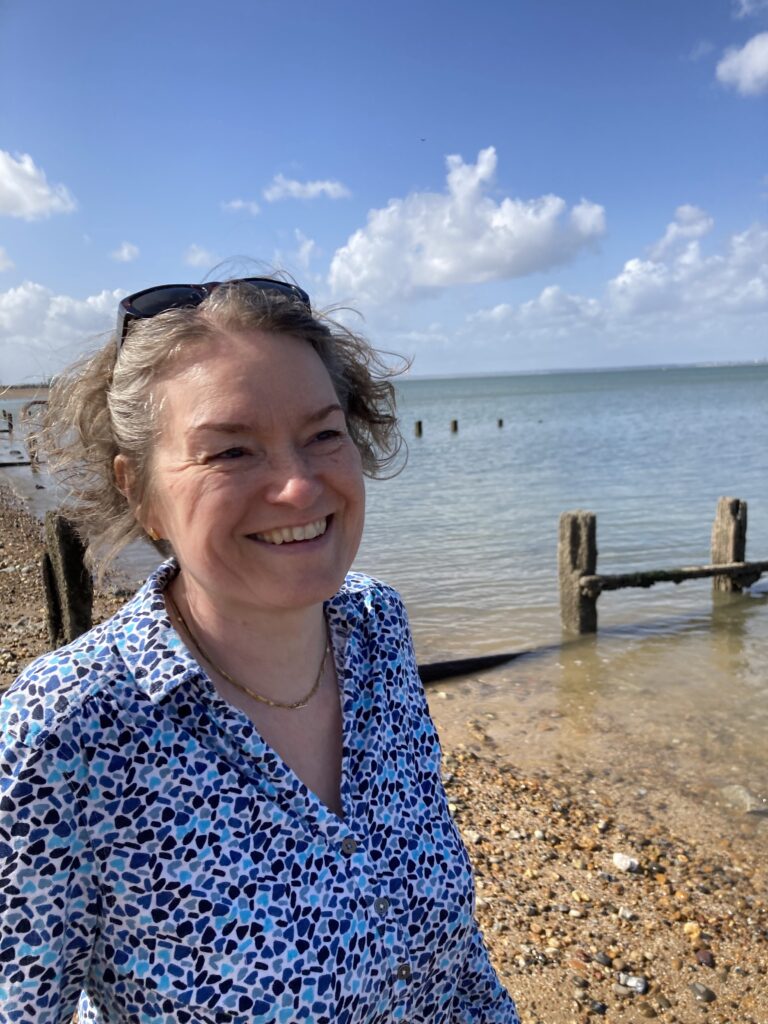
I created Excel As Yourself and workplace training for sustainable performance because I saw how many intelligent, capable neurodivergent professionals were quietly struggling in environments that were not built for them.
I used to be one of them. I have always felt different and have only recently discovered why. Having worked in PR and account management in corporate environments for 15 years and being neurodivergent myself, I have experienced first-hand how masking in a high-pressure environment can lead to burnout and how quickly overwhelm happens when the job and workplace structures aren’t set up in a neurodivergent-supporting way.
In my work I have also seen how workplace struggles are often framed as motivation, discipline or time management problems when in reality, many people are operating under chronic overwhelm, struggling and worrying in workplaces that don’t adapt to them.
I feel passionately that there is another way. I decided to retrain and am now a fully qualified and ICF-accredited neurodiversity coach in Berkhamsted. My focus is on helping people understand the patterns more clearly and build practical, sustainable structures around them, and my method involves neurodiversity coaching and mentoring backed by a strengths-based and positive approach to foster self-understanding, self-compassion and self-trust in neurodivergent individuals. By learning how to excel as themselves.
A few things about me:
Being by the sea (or preferably swimming in it) is my happy place. I could sit on the beach for hours and just look out to sea. It keeps me sane and regulated.
But since we live in a land-logged Berkhamsted any body of water will do. Luckily, there’s a beautiful stretch of canal that I like to take walks along (pop over to my Instagram to see pictures) and I also have an aquarium at home.
When I’m not working, you’ll find me relaxing by reading or making something. I love learning new songs to play on my ukulele and I always have a craft project on the go.
All my life, I have loved collecting things, from postcards, mugs and fridge magnets to scarves and antique fashion jewellery. I much prefer bright colours (fuchsia is my favourite) that I can coordinate.